Senior PSHE – Autumn Term
Author: Sam Hardcastle.
3rd January 2026.
This term, Year 11 (L5) spent time discussing the issue of male health. Classes looked at what it means to be a man in modern society and the barriers that exist which prevent some men and boys seeking help for their physical and mental health when they need it most.
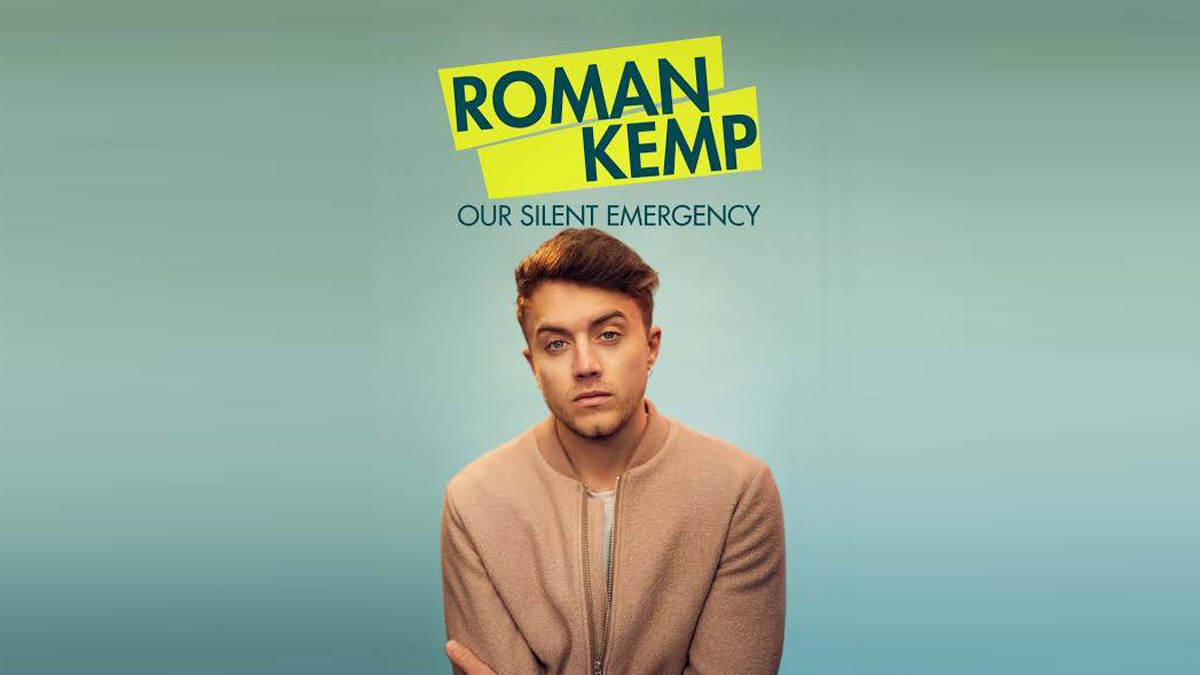
We also watched Roman Kemp’s documentary: Our Silent Emergency, a deeply personal exploration of male mental health. It examines the impact it has on men as individuals, their friends, families and wider society and seeks answers as to what more can be done to help people who are struggling.
I have long been a fan of Roman Kemp, a young man who in the wake of the suicide of one of his closest friends has been very open about his own mental health and the challenges he has faced. My husband and I have also loved watching his most recent journey on Celebrity Race Across the World and how vulnerable he allowed himself to be when faced with difficulties. We need more male role models like him; young men who are comfortable speaking about their feelings and are not afraid to admit when they need help.
There is support available. The King’s Trust and Movember websites both provide links to a wide range of organisations that can offer guidance for those who need it and for pupils in the Senior School, there are links on their PSHE Google Classroom resources. As Professor Paul Galdas, Chair, Men’s Health Academic Network said in the foreword of the men’s health strategy, ‘Healthier men mean healthier societies.’ So, please pick up the phone, click on the link or speak to someone you trust. Asking for help isn’t a sign of weakness; it’s
a recognition of your worth.
Black History Month
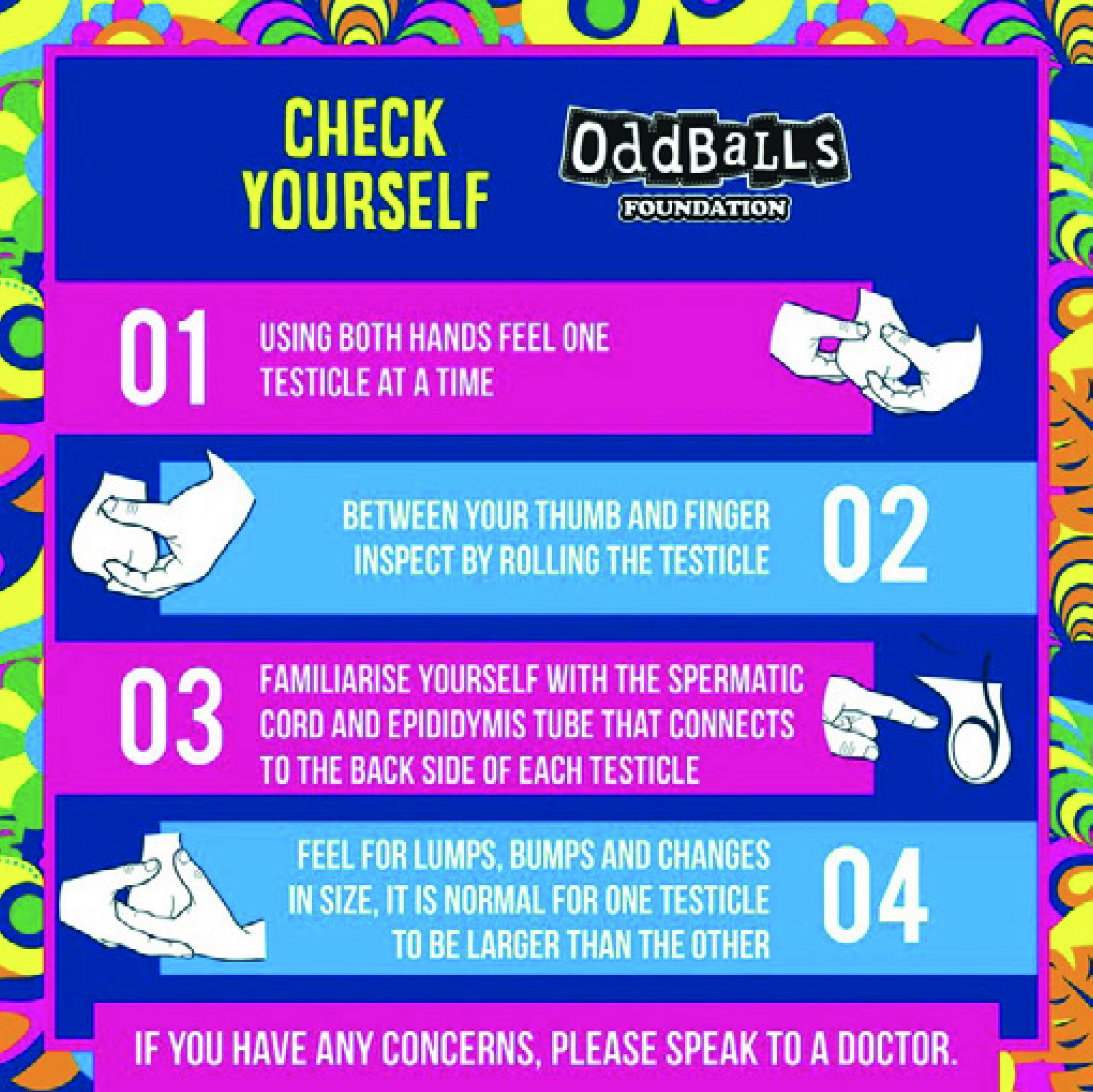
In November, pupils attended an assembly with Jack, one of the university ambassadors from the The Oddballs Foundation. The charity, which was founded in 2015, is committed to raising awareness about testicular cancer and helping to remove stigma and embarrassment from the importance of regular self checking. Current research shows that testicular cancer is the most common type of cancer that affects young men between the ages of 15-49, so raising awareness is incredibly important.
Later on that morning, the pupils participated in a breast health lesson. Treasure Your Chest (TYC) is a collaborative initiative developed by St Mary’s University, the Research Group in Breast Health at the University of Portsmouth and the University of Chichester. The lesson was split into three parts and looked at what breasts are, the importance of a good bra and accurate fitting and breast health.
TYC findings showed that 46% of girls avoided physical activity because of their breasts, and 87% reported at least one concern about their breasts.
Breast development can be a positive milestone in the development of the female body but it can also be an embarrassing and confusing time for some pupils. Through PSHE, we aim to empower all pupils to have a greater understanding of themselves and their peers’ experiences.
Critical Media Literacy
This term, Year 9 (U4) have been participating in a cross-curricular project with PSHE, English, humanities and ICT which focuses on developing the pupils’ critical media literacy skills. Supporting pupils to develop as critical consumers and creators of information is vital for their well-being, their relationships and our democracy.
In PSHE, we have reflected on the right to expression and information with specific reference to Article 19 and have critically assessed examples of media content that can be encountered.
The pupils have also considered their own media consumption patterns, exploring different motivations for using and consuming media and linking this to the Uses and Gratifications theory put forward by Jay Blumler, a communication theorist and Elihu Katz, a sociologist and communication scientist. The theory explains how the media people seek out satisfies specific needs they have: Diversion, Surveillance, Personal Relationships and Personal Identity.
UK Parliament Week
Share this Post